
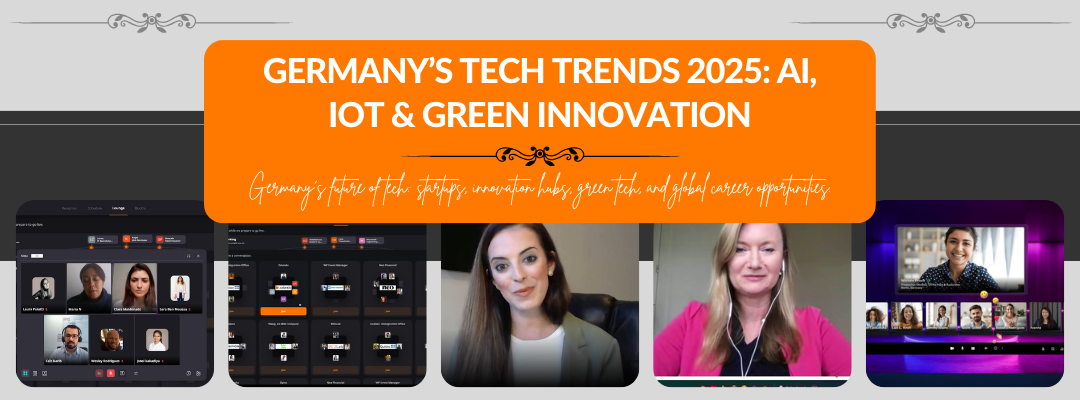
Germany’s Tech Trends for 2025: AI, IoT, and Green Innovation

Germany’s Tech Trends for 2025: AI, IoT, and Green Innovation

Germany’s Tech Trends for 2025: AI, IoT, and Green Innovation

Germany continues to position itself as one of Europe’s most dynamic technology ecosystems. From artificial intelligence and the Internet of Things to sustainability-driven green tech, 2025 is shaping up to be an exciting year for the German tech scene. With strong government support, thriving innovation hubs, and a growing demand for skilled professionals, Germany remains a top destination for talent and startups alike.

<h3>AI, IoT, and Green Tech Leading the Way</h3>

Artificial Intelligence (AI) is no longer just a buzzword in Germany. Companies in Berlin, Munich, and Hamburg are integrating AI into everything from manufacturing and logistics to healthcare and mobility. IoT is also growing rapidly, especially in the automotive and smart manufacturing sectors where Germany has a global edge.

At the same time, green tech is at the centre of the country’s innovation agenda. With ambitious climate goals, German startups are creating solutions in clean energy, sustainable mobility, and carbon-neutral production. These trends are not only reshaping industries but also opening new career paths for tech professionals.

<h3>Top Emerging Startups and Innovation Hubs </h3>

Germany’s startup ecosystem is thriving, supported by world-class universities, strong investment networks, and vibrant innovation hubs. Berlin remains the heart of the startup scene, with a mix of fintech, healthtech, and SaaS companies making global headlines. Munich is well known for deep-tech and AI-driven ventures, while Hamburg and Stuttgart are strongholds for logistics, mobility, and industrial innovation.

Rising startups in sectors such as climate tech, edtech, and digital health are attracting both funding and international attention. For tech professionals looking to join fast-growing companies, these hubs offer plenty of opportunities to contribute to cutting-edge innovation.

<h3>Balancing Work and Life: Tech Culture in Germany</h3>

One of Germany’s strongest appeals is its work culture. Tech professionals benefit from a well-balanced approach that values productivity without sacrificing personal time. The standard 35–40 hour work week, generous vacation policies, and emphasis on employee well-being create a healthier environment compared to many global tech centres.

This focus on work-life balance is increasingly important as companies compete to attract top talent. Startups and established firms alike are adopting flexible working models, including hybrid and remote roles, to support a diverse and global workforce.
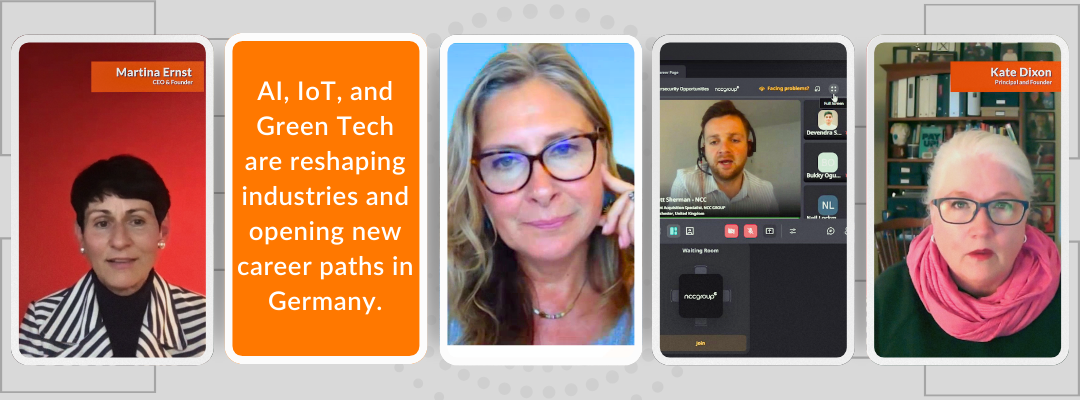
Germany’s Tech Trends for 2025: AI, IoT, and Green Innovation

<h3>Learning and Upskilling: Resources for Tech Professionals</h3>

With constant technological change, continuous learning is a must. Germany provides excellent resources for professional development in tech. Platforms like Codecademy, Coursera, and Udacity are widely used, but Germany also offers a strong ecosystem of local coding bootcamps, technical workshops, and corporate training programmes.

Government initiatives and EU-backed projects further support upskilling, ensuring that both local and international talent can stay competitive. For professionals seeking long-term growth, Germany offers not just jobs but also opportunities to evolve in their careers.

<h3>International Talent in Germany: Challenges and Opportunities</h3>

Germany actively welcomes international talent to fill its growing tech skills gap. English-speaking roles are increasingly common, particularly in startups and multinational companies. However, navigating visa processes and adapting to cultural differences can still be challenging.

To address this, Germany has streamlined work visa options and continues to expand initiatives that support relocation and integration. For international professionals, the country offers both stability and career progression, making it a compelling destination in 2025 and beyond.
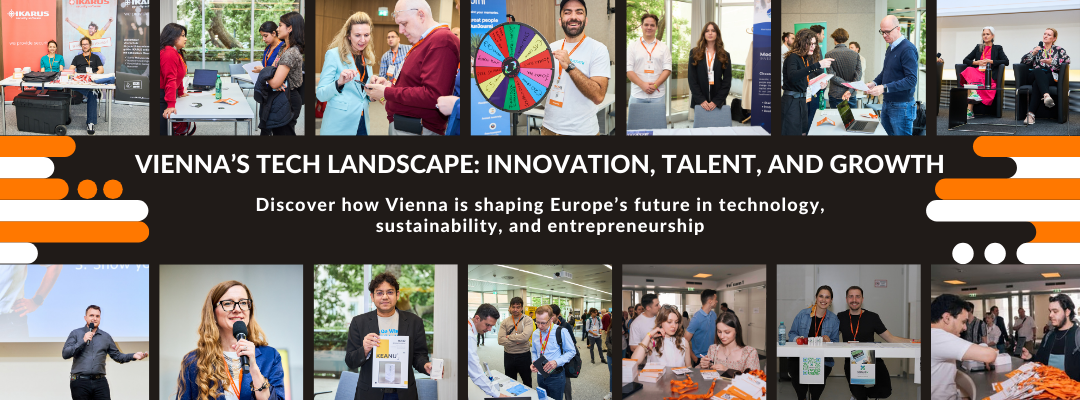
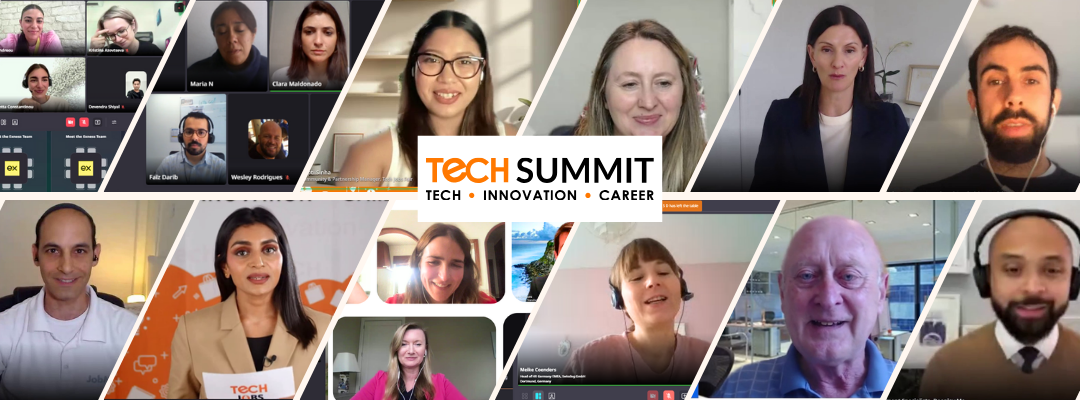
Germany’s Tech Trends for 2025: AI, IoT, and Green Innovation
Ecemsu Cetin

Ecemsu is a Digital Marketing Intern at Tech Jobs Fair, where she focuses on social media management, content creation, and blog writing. Passionate about digital communication and creativity, she enjoys producing engaging content that connects with audiences and strengthens brand presence online.

Previous Article
Vienna’s Tech Landscape: Innovation, Talent, and Growth

Vienna’s Tech Landscape: Innovation, Talent, and Growth

Germany’s Tech Trends for 2025: AI, IoT, and Green Innovation

Germany continues to position itself as one of Europe’s most dynamic technology ecosystems. From artificial intelligence and the Internet of Things to sustainability-driven green tech, 2025 is shaping up to be an exciting year for the German tech scene. With strong government support, thriving innovation hubs, and a growing demand for skilled professionals, Germany remains a top destination for talent and startups alike.

<h3>AI, IoT, and Green Tech Leading the Way</h3>

Artificial Intelligence (AI) is no longer just a buzzword in Germany. Companies in Berlin, Munich, and Hamburg are integrating AI into everything from manufacturing and logistics to healthcare and mobility. IoT is also growing rapidly, especially in the automotive and smart manufacturing sectors where Germany has a global edge.

At the same time, green tech is at the centre of the country’s innovation agenda. With ambitious climate goals, German startups are creating solutions in clean energy, sustainable mobility, and carbon-neutral production. These trends are not only reshaping industries but also opening new career paths for tech professionals.

<h3>Top Emerging Startups and Innovation Hubs </h3>

Germany’s startup ecosystem is thriving, supported by world-class universities, strong investment networks, and vibrant innovation hubs. Berlin remains the heart of the startup scene, with a mix of fintech, healthtech, and SaaS companies making global headlines. Munich is well known for deep-tech and AI-driven ventures, while Hamburg and Stuttgart are strongholds for logistics, mobility, and industrial innovation.

Rising startups in sectors such as climate tech, edtech, and digital health are attracting both funding and international attention. For tech professionals looking to join fast-growing companies, these hubs offer plenty of opportunities to contribute to cutting-edge innovation.

<h3>Balancing Work and Life: Tech Culture in Germany</h3>

One of Germany’s strongest appeals is its work culture. Tech professionals benefit from a well-balanced approach that values productivity without sacrificing personal time. The standard 35–40 hour work week, generous vacation policies, and emphasis on employee well-being create a healthier environment compared to many global tech centres.

This focus on work-life balance is increasingly important as companies compete to attract top talent. Startups and established firms alike are adopting flexible working models, including hybrid and remote roles, to support a diverse and global workforce.

Germany’s Tech Trends for 2025: AI, IoT, and Green Innovation

<h3>Learning and Upskilling: Resources for Tech Professionals</h3>

With constant technological change, continuous learning is a must. Germany provides excellent resources for professional development in tech. Platforms like Codecademy, Coursera, and Udacity are widely used, but Germany also offers a strong ecosystem of local coding bootcamps, technical workshops, and corporate training programmes.

Government initiatives and EU-backed projects further support upskilling, ensuring that both local and international talent can stay competitive. For professionals seeking long-term growth, Germany offers not just jobs but also opportunities to evolve in their careers.

<h3>International Talent in Germany: Challenges and Opportunities</h3>

Germany actively welcomes international talent to fill its growing tech skills gap. English-speaking roles are increasingly common, particularly in startups and multinational companies. However, navigating visa processes and adapting to cultural differences can still be challenging.

To address this, Germany has streamlined work visa options and continues to expand initiatives that support relocation and integration. For international professionals, the country offers both stability and career progression, making it a compelling destination in 2025 and beyond.

Germany’s Tech Trends for 2025: AI, IoT, and Green Innovation
Ecemsu Cetin

Ecemsu is a Digital Marketing Intern at Tech Jobs Fair, where she focuses on social media management, content creation, and blog writing. Passionate about digital communication and creativity, she enjoys producing engaging content that connects with audiences and strengthens brand presence online.